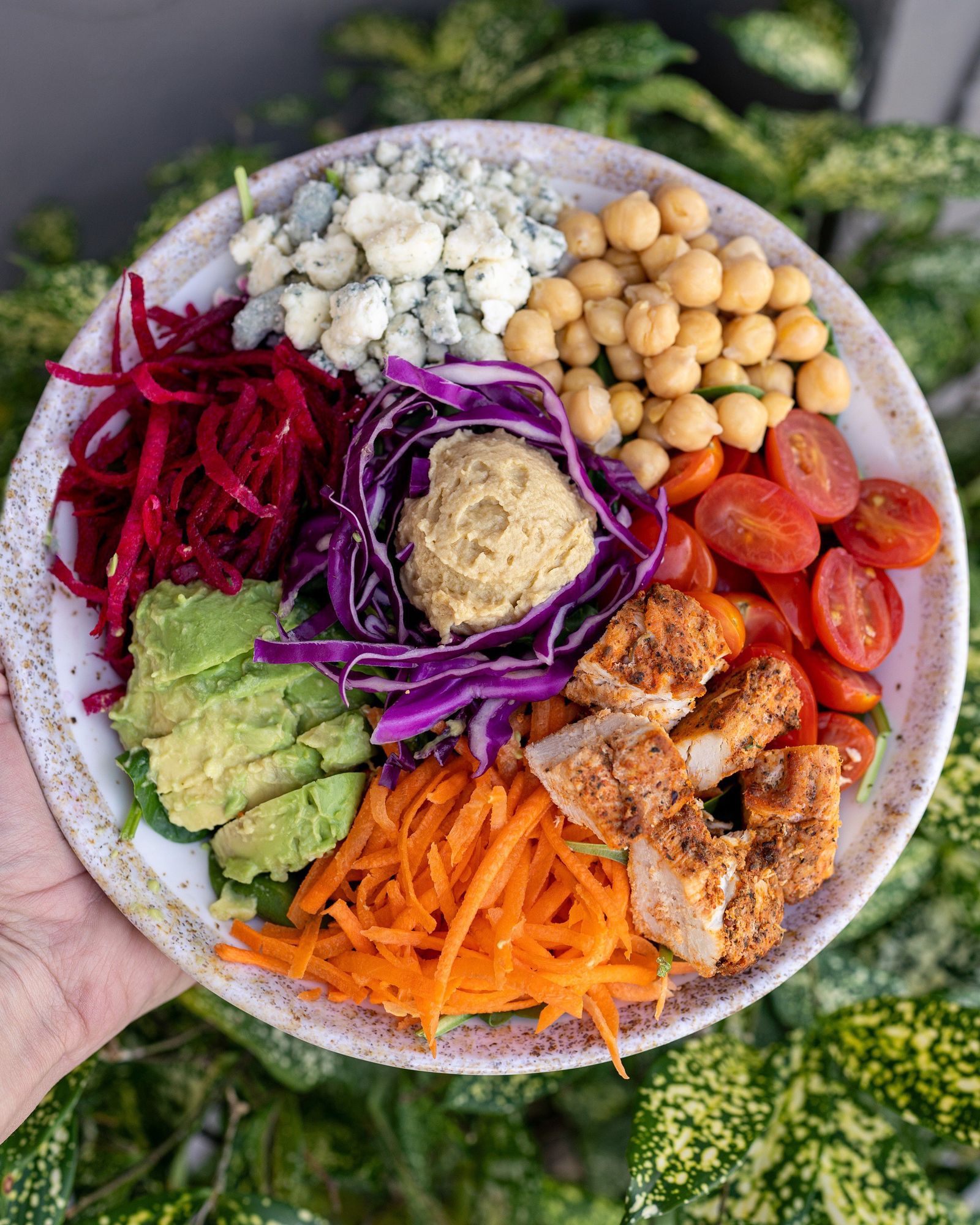
Put a midweek review beside your shopping list. Buy for the first part of the week, check what is left, then shop for the remaining meals. This can suit a changing schedule or limited storage; it does not have to mean planning the week twice.
Split the week around the days you can shop
Choose the meals you expect to use, then group them around the days you can shop. For example, the first block might cover Monday through Wednesday and the second Thursday through Sunday. These are planning blocks, not claims about how long any prepared food can be stored.
Write down which foods you already have and which unopened pantry items can be bought in the first trip. Keep perishable purchases tied to the actual meals and package storage directions rather than assuming every ingredient should last the full week.
Use a concrete first block
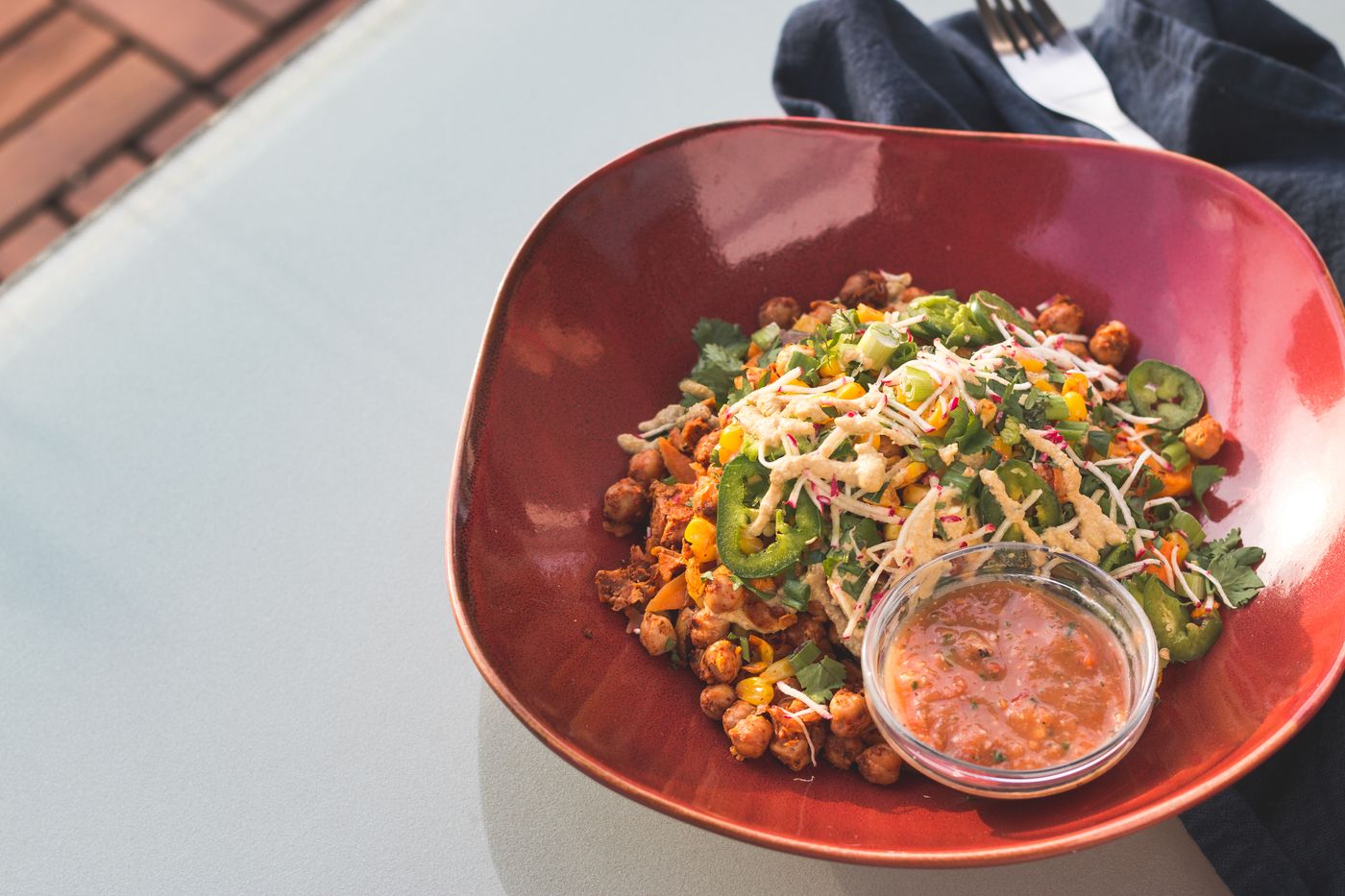
You might choose a chickpea quinoa bowl, a chicken hummus pita and a warm lentil quinoa bowl for three main meals. They share some prepared components, but they also require different ingredients and serving instructions.
| Meal | Estimated minutes | kcal | Protein, g | Carbohydrate, g | Fat, g |
|---|---|---|---|---|---|
| Lemon chickpea quinoa bowl | 8 | 480 | 17.8 | 72.7 | 14.6 |
| Chicken hummus pita | 7 | 561 | 50.6 | 58.2 | 15.7 |
| Warm lentil quinoa bowl | 8 | 500 | 25.3 | 77.1 | 12.1 |
This table covers three meals, not three complete days. Add the breakfasts, other main meals and snacks you actually intend to use before calling it a shopping list.
The midweek check
- Confirm which remaining meals will still happen.
- Check what food is left and whether it is still suitable to use.
- Make any meal changes before calculating the new grocery amounts.
- Subtract available ingredients from the revised requirements.
- Check package sizes and labels in the store.
If you ate out instead of having a planned lunch, check whether its ingredients can go into a later meal before buying more food.
Include the cost of the second trip
Two trips can help some routines and add time or transport cost to others. A large store trip may suit you better. Compare what actually happens in your household instead of assuming a particular shopping frequency is financially superior.
Keep the app's list scope visible
Dayfork's current shopping view groups a plan into blocks of up to seven days. If you want a three-day or four-day store trip, review the relevant recipe amounts yourself or annotate your downloaded plan. The interface does not currently choose two store trips for you or track your pantry inventory.
Use the two-trip routine only if the second visit fits your week. If getting to the store is difficult, a single reviewed list may suit you better.
Planning the two trips
Does the app split the list into two shops automatically?
This guide describes a manual shopping routine. Review the dated meals and split the combined list to fit your storage and schedule.
Will two shops always save money?
No. Prices, transport and buying habits differ. The goal is a workable plan and less avoidable overbuying, not a promised savings amount.
Related reading: A Grocery List for One That Reuses Ingredients · Weekly vs Monthly Meal Planning for One
Build a personal week with recipes, portions and a shopping list. Your first week stays free, with no card required. Subscription options cover further planning.
Recipe times are planning estimates, not kitchen-tested guarantees. They assume the prepared ingredients named in each recipe. Nutrition is calculated from our local USDA SR Legacy ingredient references; your package labels and actual portions can differ.
Your first week is on us.
Recipes for one, calculated portions and one shopping list. No card needed. Quick recipes use ready-cooked ingredients; prep times are estimates.
Build my free week ↗Sources and method
Recipe calculations use our ingredient catalogue. Reference averages and estimates differ from package labels. The sources below support the practical guidance; they do not endorse Dayfork.