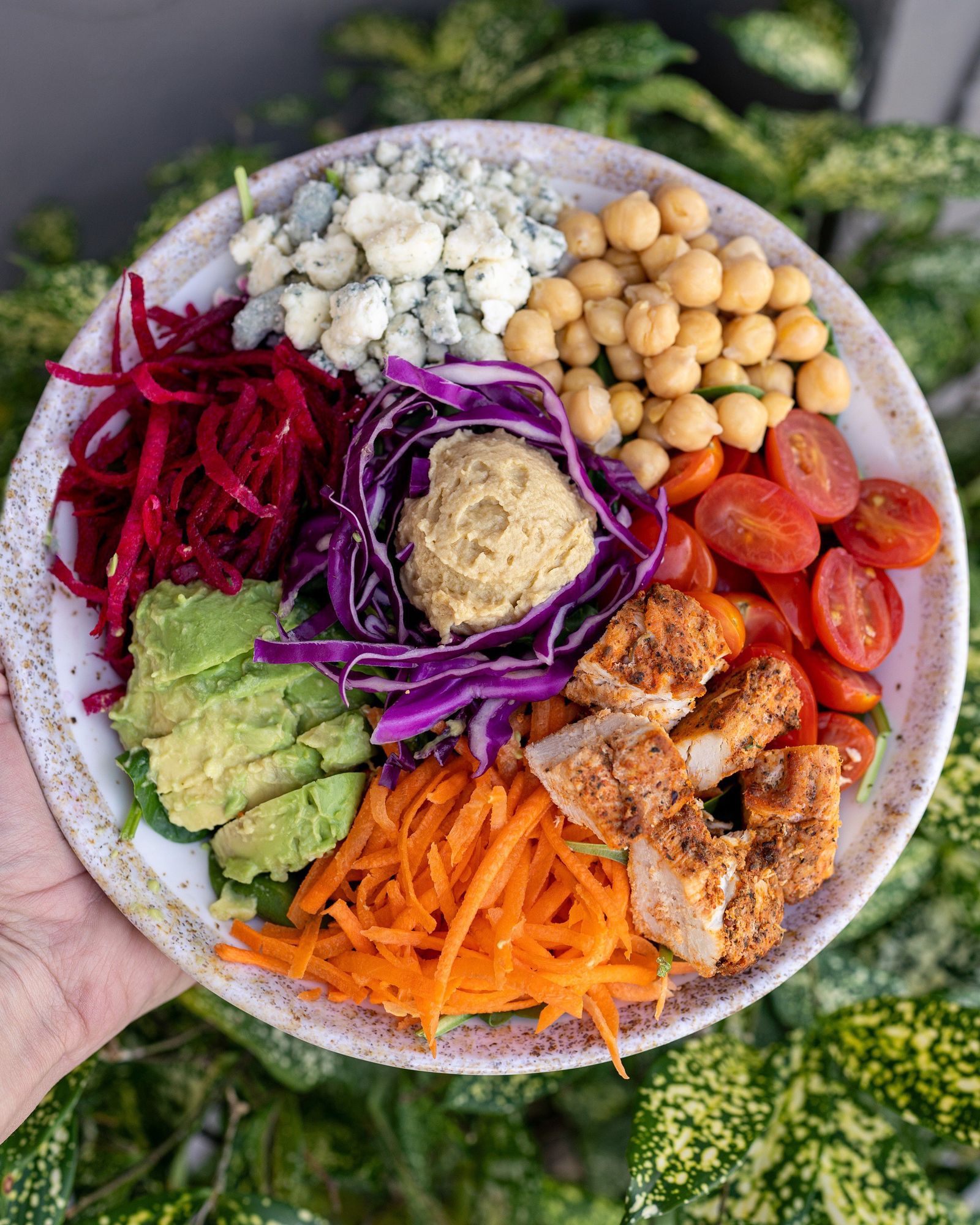
Check what the recipe expects you to have ready. Cooked quinoa, peeled eggs and washed leaves save preparation time only when they are already in your kitchen in that state. A ten-minute label tells you very little without that list.
Check the starting ingredients
| If the recipe says | Check in your kitchen | If it is not ready |
|---|---|---|
| Ready-cooked grain | Suitable for eating cold, or heating instructions you can complete | Pick another meal or allow the full cooking time |
| Cooked chicken or peeled eggs | Already prepared and stored as directed | Do not count raw-to-cooked preparation as instant assembly |
| Washed or chopped produce | In the state needed by the recipe | Add the missing washing and chopping to your own timer |
| Canned beans, drained | An unopened suitable can and a way to drain it | Count opening and draining as part of the work |
Use the table before choosing the recipe, while there is still time to pick something else.
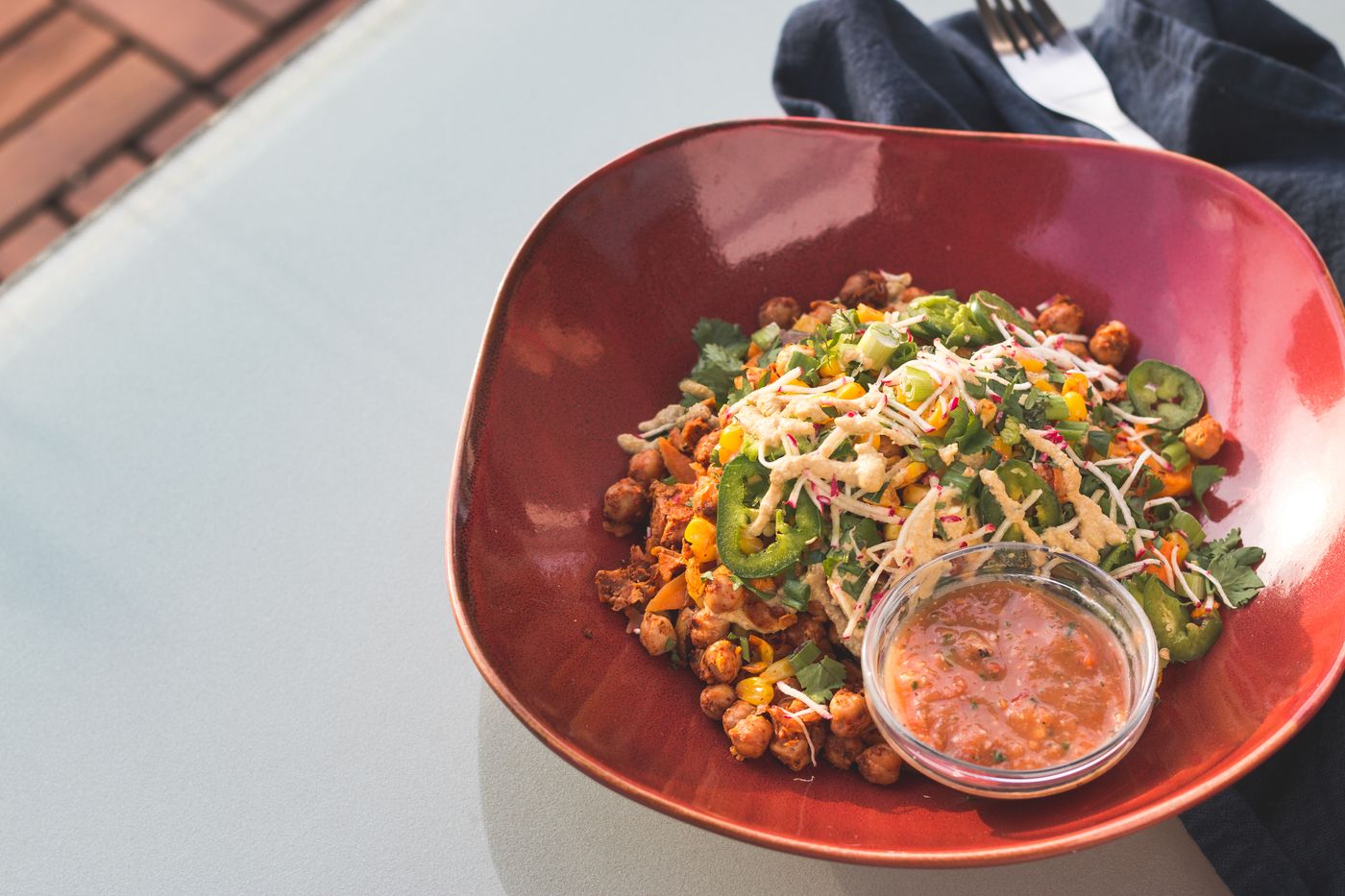
Read the ingredient state before the time label
Before committing to a quick meal, underline every word that implies work has already happened: cooked, peeled, drained, chopped, thawed or ready-to-eat. Ask whether you have that ingredient in that state now. If not, put the missing work back into your schedule.
For example, an egg sandwich using peeled hard-boiled eggs is an assembly recipe. Boiling and cooling raw eggs is not included in that version. A rice bowl can use a ready-cooked pack, but its heating directions still have to fit the available time.
Use a start-to-finish check
Run through the meal once on paper: fetch ingredients, wash or prepare produce, drain cans, measure portions, heat where required and assemble. Include waiting that prevents you from eating. Do not describe an overnight soak as a five-minute breakfast unless you clearly say that the soaking happened earlier.
Shopping is separate from recipe preparation, but it is still work. If a recipe needs a special store trip, it may be a poor choice for tonight even when the cooking is quick.
Five-minute chickpea hummus bowl
For one person, base portion. Estimated full preparation: 5 minutes. 542 kcal; protein 23 g; carbohydrate 77.7 g; fat 17.5 g.
- 150 g canned chickpeas, drained and rinsed
- 150 g quinoa, ready-cooked
- 40 g baby spinach
- 60 g ready-made hummus
- 15 g lemon juice
- Use prewashed baby spinach, drained and rinsed canned chickpeas and ready-cooked quinoa suitable for eating cold.
- Mix everything in a bowl, folding the hummus and lemon juice through as a dressing.
Where the five-minute estimate comes from
The recipe starts with canned chickpeas, ready-cooked quinoa and prewashed spinach. It does not ask you to simmer dry grain or chop several vegetables. Those assumptions are part of the recipe, not optional small print. Choose a quinoa product that is suitable for eating cold; follow its label rather than assuming every pouch works the same way.
We have not timed this recipe in a home kitchen. Allow for the way you open cans, measure food and wash produce. Your own elapsed time is the one to use when planning a rushed lunch.
Separate preparation from cleanup
One bowl and a fork may mean less washing than several pans, but cleanup is not magically zero. Count the equipment you will use. If you dislike washing a grater, choose a meal without grated vegetables even when both recipes have the same headline time.
Before saving the recipe for a busy day, check that you can start with the named ingredients and finish every step in the time available.
Timing questions
Does ten minutes include cooking rice from dry?
Only if the actual recipe says so. The examples here start with ready-cooked rice or quinoa; cooking a dry grain is extra preparation.
Does grocery shopping count as preparation time?
Shopping time is separate. The recipe estimate starts with the ingredients available in the prepared state named in the instructions.
Related reading: Five-Ingredient Meals for One: Count Everything You Use · Quick Meals With Ready-Cooked Rice, Quinoa and Lentils
Build a personal week with recipes, portions and a shopping list. Your first week stays free, with no card required. Subscription options cover further planning.
Recipe times are planning estimates, not kitchen-tested guarantees. They assume the prepared ingredients named in each recipe. Nutrition is calculated from our local USDA SR Legacy ingredient references; your package labels and actual portions can differ.
Your first week is on us.
Recipes for one, calculated portions and one shopping list. No card needed. Quick recipes use ready-cooked ingredients; prep times are estimates.
Build my free week ↗Sources and method
Recipe calculations use our ingredient catalogue. Reference averages and estimates differ from package labels. The sources below support the practical guidance; they do not endorse Dayfork.