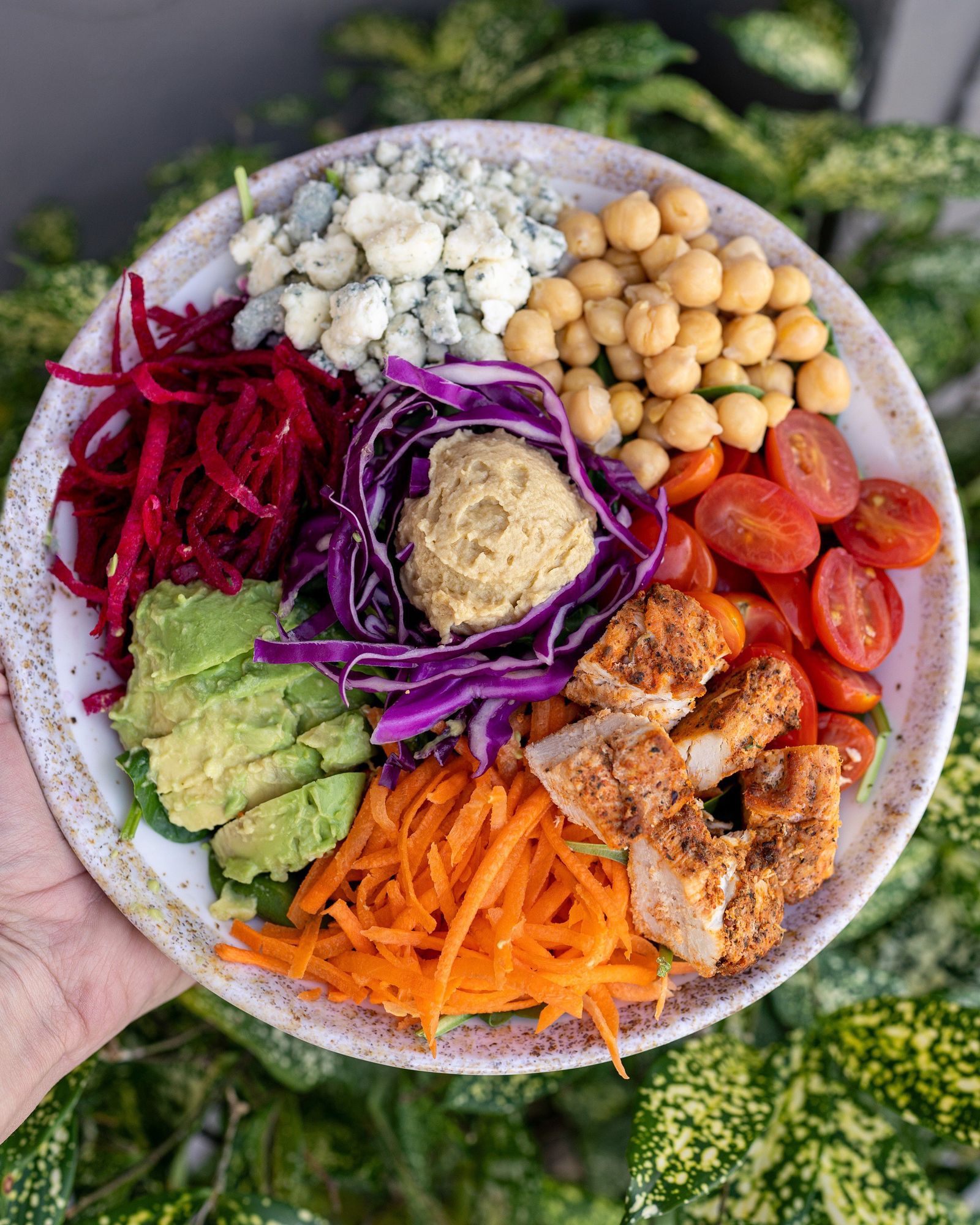
A packet of cooked rice or quinoa can be the start of a short-prep meal. Read its label before deciding on a cold bowl or a hot one: ready-cooked products can have different serving and storage instructions.
Read the serving instructions first
First, confirm whether the food is ready-cooked or still needs cooking. Second, read whether it can be eaten cold or requires heating. Third, follow its storage instructions, including what changes once opened. A recipe title cannot replace those directions.
| Meal | Estimated minutes | kcal | Protein, g | Carbohydrate, g | Fat, g |
|---|---|---|---|---|---|
| Warm chicken rice bowl | 8 | 542 | 48 | 52.9 | 14.9 |
| Warm lentil quinoa bowl | 8 | 500 | 25.3 | 77.1 | 12.1 |
| Lemon chickpea quinoa bowl | 8 | 480 | 17.8 | 72.7 | 14.6 |
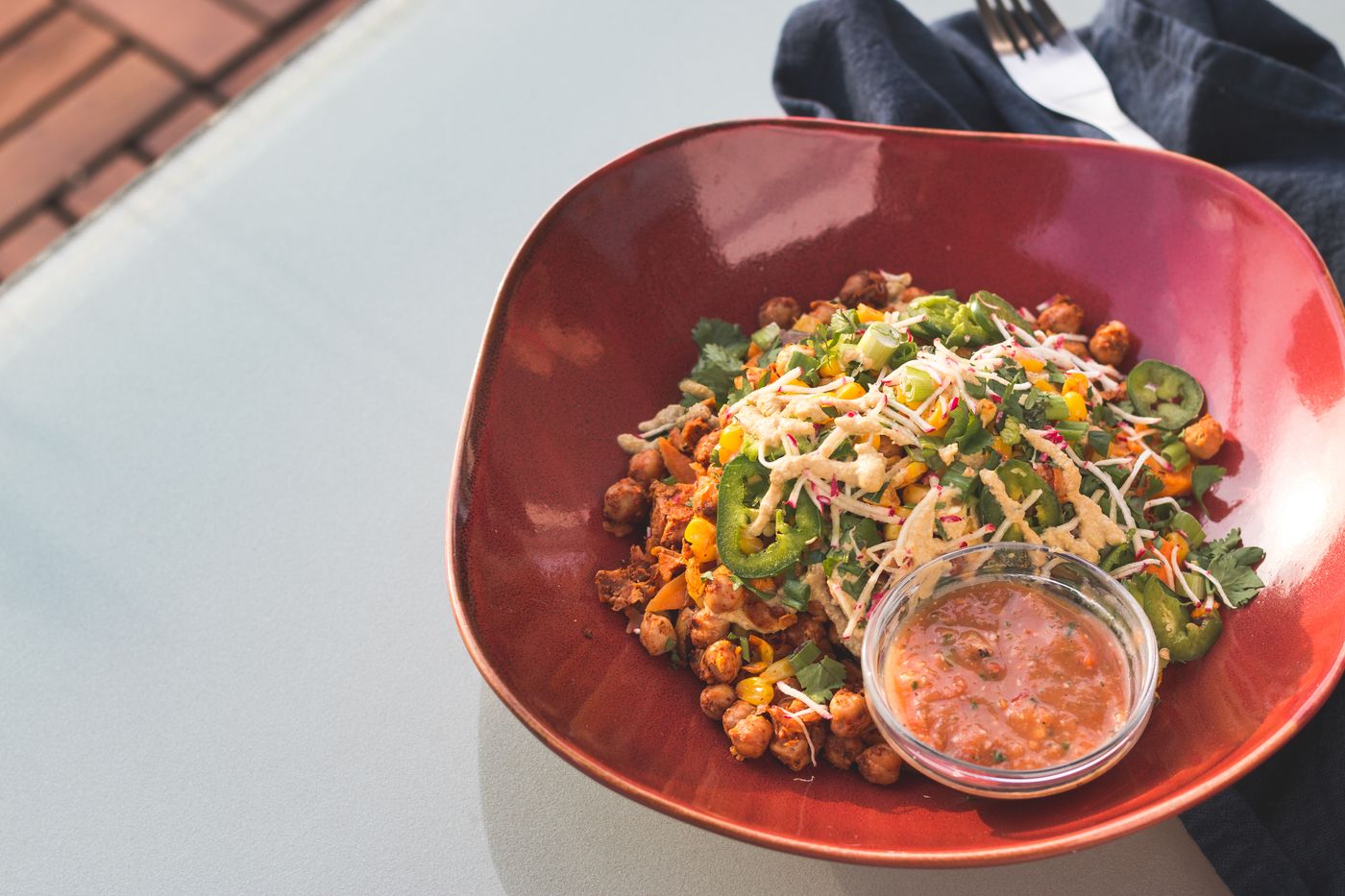
The three bowls use different protein ingredients and portions. Changing only the grain will not make their totals match.
Warm lentil quinoa bowl
For one person, base portion. Estimated full preparation: 8 minutes. 500 kcal; protein 25.3 g; carbohydrate 77.1 g; fat 12.1 g.
- 180 g lentils, ready-cooked
- 150 g quinoa, ready-cooked
- 100 g red bell pepper
- 50 g baby spinach
- 8 g olive oil
- 15 g lemon juice
- Combine ready-cooked lentils, quinoa, chopped pepper and spinach in a microwave-safe bowl.
- Heat following the ready-cooked grain instructions until piping hot, stirring partway.
- Dress with oil and lemon juice.
The warm bowl needs a microwave
The eight-minute estimate assumes ready-cooked quinoa and lentils, not dry ingredients. Actual heating depends on your product and equipment. If its package directions take longer, use those directions and allow the time rather than shortening heating to protect a recipe's headline.
Use a suitable microwave-safe bowl and leave enough space to stir. The recipe is deliberately simple, but stirring and checking the food are still part of the process. If you do not have a microwave, select a cold recipe made from ingredients explicitly suitable for cold use.
Measure cooked weight against a cooked reference
The rice and quinoa weights in these examples describe food ready to use. Weighing dry grain and attaching the same numbers would create a different portion. Keep that distinction in your grocery notes as well as your nutrition calculation.
For a packaged product, its own label may differ from a generic reference. Sauce, seasoning and the amount of water can all change what the package contains. Our local data give an estimate for the named food, not a measurement of every supermarket brand.
Use the rest of the packet
You might use quinoa in a cold chickpea bowl and another measured recipe later in your menu. Check storage instructions before planning the second use. Reusing an ingredient is a scheduling idea, not permission to keep an opened package for an arbitrary number of days.
Check the serving size before buying several packets. A product that fits two recipes you want to eat is easier to use up than one bought for a single spoonful.
Cold or heated grains
Can I swap the same weight of rice and quinoa?
You can choose a different recipe or recalculate the ingredients, but equal weights do not guarantee identical calories or macros.
Must a ready-cooked pouch be heated?
Check its label. Some are suitable cold and others require heating; the generic recipe cannot override the product instructions.
Related reading: What a 10-Minute Meal Really Includes · Meal Planning Without Spending Sunday Batch Cooking
Build a personal week with recipes, portions and a shopping list. Your first week stays free, with no card required. Subscription options cover further planning.
Recipe times are planning estimates, not kitchen-tested guarantees. They assume the prepared ingredients named in each recipe. Nutrition is calculated from our local USDA SR Legacy ingredient references; your package labels and actual portions can differ.
Your first week is on us.
Recipes for one, calculated portions and one shopping list. No card needed. Quick recipes use ready-cooked ingredients; prep times are estimates.
Build my free week ↗Sources and method
Recipe calculations use our ingredient catalogue. Reference averages and estimates differ from package labels. The sources below support the practical guidance; they do not endorse Dayfork.