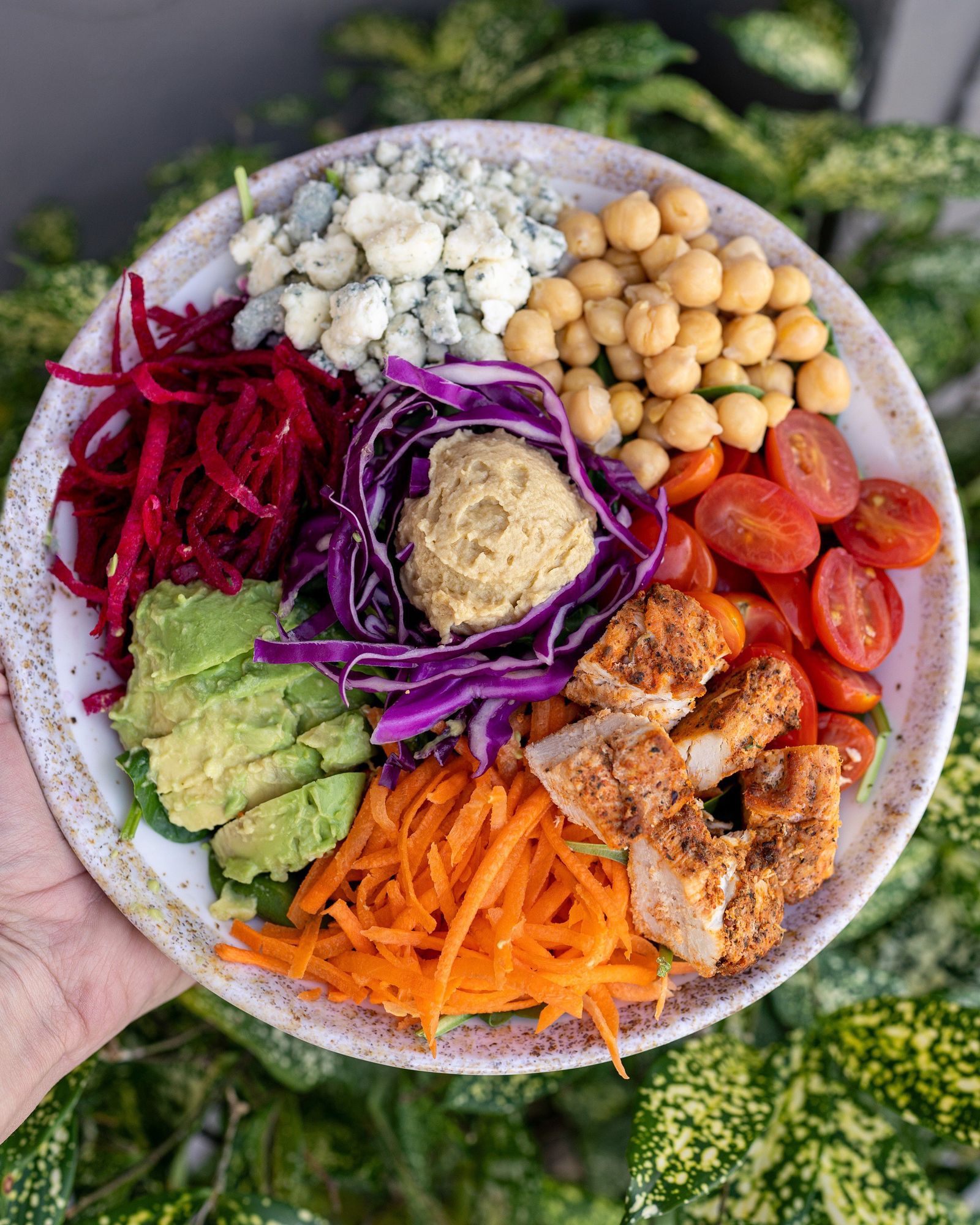
Two lunch bowls can have similar calories and very different amounts of protein. When you replace a meal, check the whole portion and the updated day. The ingredient list needs to change with the dish.
Chicken and chickpeas: similar calories, different meals
| Meal | Estimated minutes | kcal | Protein, g | Carbohydrate, g | Fat, g |
|---|---|---|---|---|---|
| Chicken avocado quinoa | 8 | 521 | 47.7 | 46.7 | 16.6 |
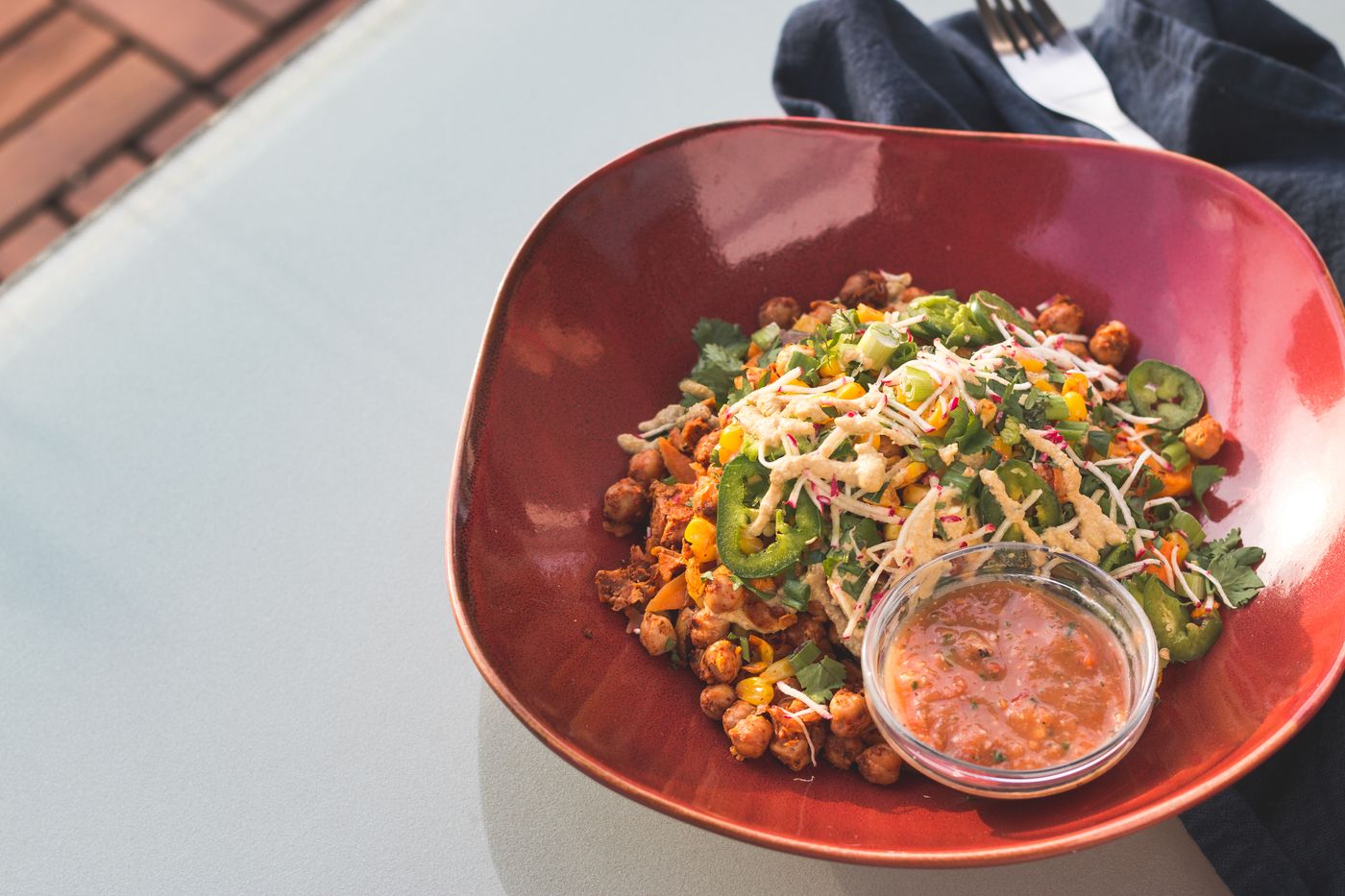
| Five-minute chickpea hummus bowl | 5 | 542 | 23 | 77.7 | 17.5 |
Both bowls use ready-cooked quinoa. The chickpea version has much less protein in these base portions, and more carbohydrate. Review those differences before choosing it as a replacement.
Use this four-part swap check
- Confirm the replacement fits the same meal slot and your food preferences.
- Check time, equipment and whether lunch needs to be eaten cold.
- Calculate the replacement portion and the updated day totals.
- Rebuild the shopping list so the old ingredients do not remain by accident.
If a dairy exclusion is active, a cottage cheese bowl should not appear just because its calories fit. Hard food rules come before a close numerical target. When no alternative fits, the useful response is to explain which constraint needs reviewing, not silently add an excluded food.
What leaves the shopping list?
Changing the chicken avocado bowl to the chickpea hummus bowl removes chicken, avocado and tomato from that particular meal. It adds chickpeas and hummus while retaining quinoa, spinach and lemon in different quantities. Other meals may still use the removed ingredients, so only the combined list can tell you the new amount for the period.
If you already shopped, inspect that list before accepting several changes. A swap can solve today's preference while leaving an opened ingredient without another planned use.
Expect the day totals to move
A portion adjustment may bring the new day closer to your chosen calorie target. With a small recipe library and sensible portion limits, an exact match may not be available. Look at the actual result and any warning, rather than expect every replacement to keep all four nutrition numbers unchanged.
Dayfork keeps the recipe, portion, daily totals and groceries connected. Its change feedback explains what changed. It does not claim a swap is identical to the old meal, and planned totals remain estimates of the recipes rather than records of what you actually ate.
Keep the previous version if you want to compare the two dinners later. You do not need to take the quiz again to make that choice.
What a swap changes
Will every replacement have identical macros?
No. The planner can aim for a similar energy share, but recipes have different ingredients and macro distributions. Review the updated day totals.
Does the shopping list change after a swap?
It should follow the current plan. Dayfork rebuilds the ingredient totals for the new recipe and portion rather than keeping the old ingredients.
Related reading: How to Scale a Recipe Portion and Keep the Numbers Consistent · Meal Planning When You Dislike an Ingredient
Build a personal week with recipes, portions and a shopping list. Your first week stays free, with no card required. Subscription options cover further planning.
Recipe times are planning estimates, not kitchen-tested guarantees. They assume the prepared ingredients named in each recipe. Nutrition is calculated from our local USDA SR Legacy ingredient references; your package labels and actual portions can differ.
Your first week is on us.
Recipes for one, calculated portions and one shopping list. No card needed. Quick recipes use ready-cooked ingredients; prep times are estimates.
Build my free week ↗Sources and method
Recipe calculations use our ingredient catalogue. Reference averages and estimates differ from package labels. The sources below support the practical guidance; they do not endorse Dayfork.