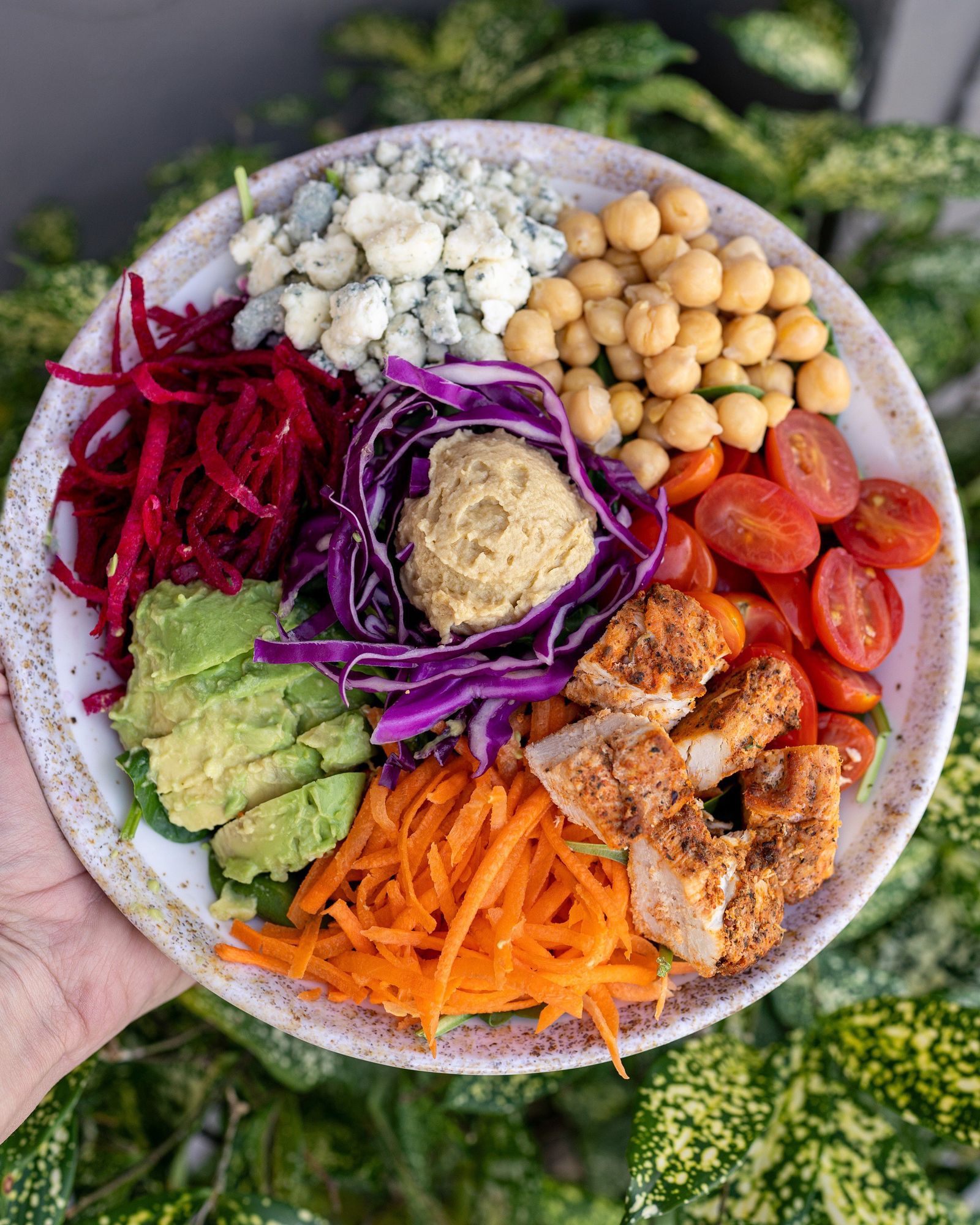
If you dislike cottage cheese, you may just need a different lunch. If you avoid all dairy, the rule is broader. Decide which food or group you want left out before applying a filter, so the plan keeps as many suitable choices as possible.
A disliked food or a whole food group?
Disliking cottage cheese is different from avoiding all dairy. Disliking avocado does not mean you must avoid every source of fat. Write the actual ingredient you want removed before deciding which alternatives fit.
In Dayfork, use a supported ingredient-group filter or choose a whole-meal replacement. The available groups include dairy, eggs, fish, soy, wheat, peanuts, tree nuts and sesame. A free-text food filter is not available.
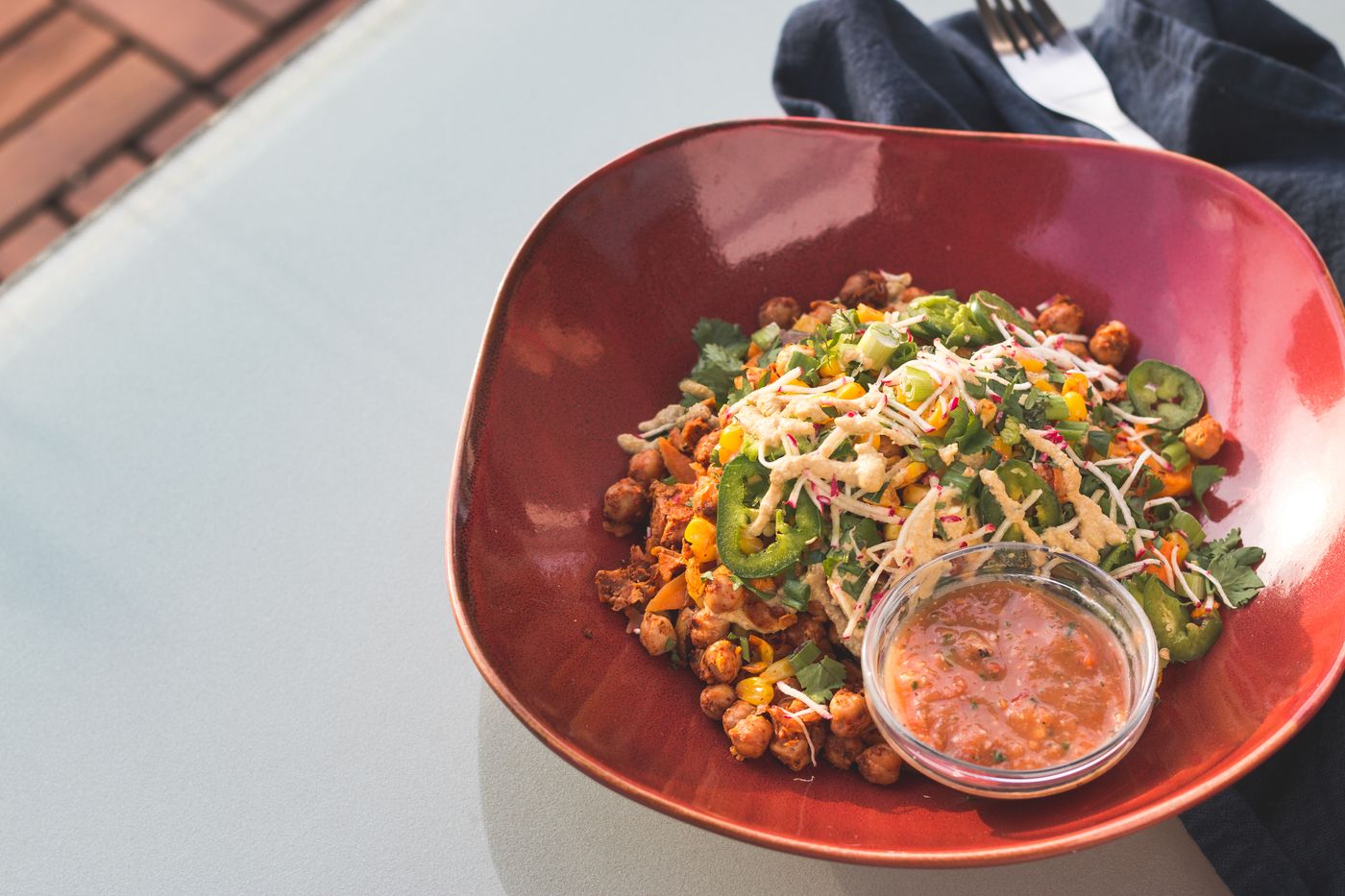
Three lunches to compare
| Meal | Estimated minutes | kcal | Protein, g | Carbohydrate, g | Fat, g |
|---|---|---|---|---|---|
| Cottage cheese quinoa salad | 7 | 493 | 34.8 | 57.4 | 15.6 |
| Lemon chickpea quinoa bowl | 8 | 480 | 17.8 | 72.7 | 14.6 |
| Five-minute lentil avocado bowl | 5 | 518 | 22.9 | 83.1 | 12.6 |
If the cottage cheese in the first meal is the problem, the other bowls offer different recipes rather than a silent deletion. Their calorie and macro values differ, so choose and review the entire portion.
What will you miss if you remove it?
An ingredient might supply the creamy base, the main protein component, crunch or dressing. Removing it can change the meal experience as well as its numbers. If you remove hummus from a pita, for example, you may miss the texture even if another ingredient brings calories back to a similar level.
If the hummus is the part you dislike, choose a different measured lunch. There is no need to keep rebuilding the same pita around an ingredient you do not want.
Keep hard rules honest
When an exclusion leaves too few recipes, the planner should explain the limitation. It should not quietly reintroduce the food or call an unsuitable recipe close enough. You can then review a time limit, equipment choice or exclusion deliberately.
Ingredient filtering is not an allergy-safety certification. Packaged foods can contain additional ingredients or cross-contact information that a generic recipe reference does not capture. Check labels and do not use a preference filter as a substitute for appropriate individualized guidance when allergies require it.
Check the new dish after the swap
After a swap, ask whether you actually like the new dish and can prepare it with the food you buy. Then inspect the day totals and groceries. Keep the new recipe only if you want to eat it and its preparation fits your kitchen.
What the filters cover
Can I type any disliked food into Dayfork?
A free-text ingredient filter is not part of the current product. Use the available group filters or choose a suitable whole-meal replacement.
Is an ingredient filter an allergy guarantee?
No. Check actual product labels and relevant cross-contact information. A generic preference filter is not an allergy-safety certification.
Related reading: How to Swap a Meal Without Losing Track of Portions and Groceries · Vegetarian Meal Planning for One Without Complicated Recipes
Build a personal week with recipes, portions and a shopping list. Your first week stays free, with no card required. Subscription options cover further planning.
Recipe times are planning estimates, not kitchen-tested guarantees. They assume the prepared ingredients named in each recipe. Nutrition is calculated from our local USDA SR Legacy ingredient references; your package labels and actual portions can differ.
Your first week is on us.
Recipes for one, calculated portions and one shopping list. No card needed. Quick recipes use ready-cooked ingredients; prep times are estimates.
Build my free week ↗Sources and method
Recipe calculations use our ingredient catalogue. Reference averages and estimates differ from package labels. The sources below support the practical guidance; they do not endorse Dayfork.