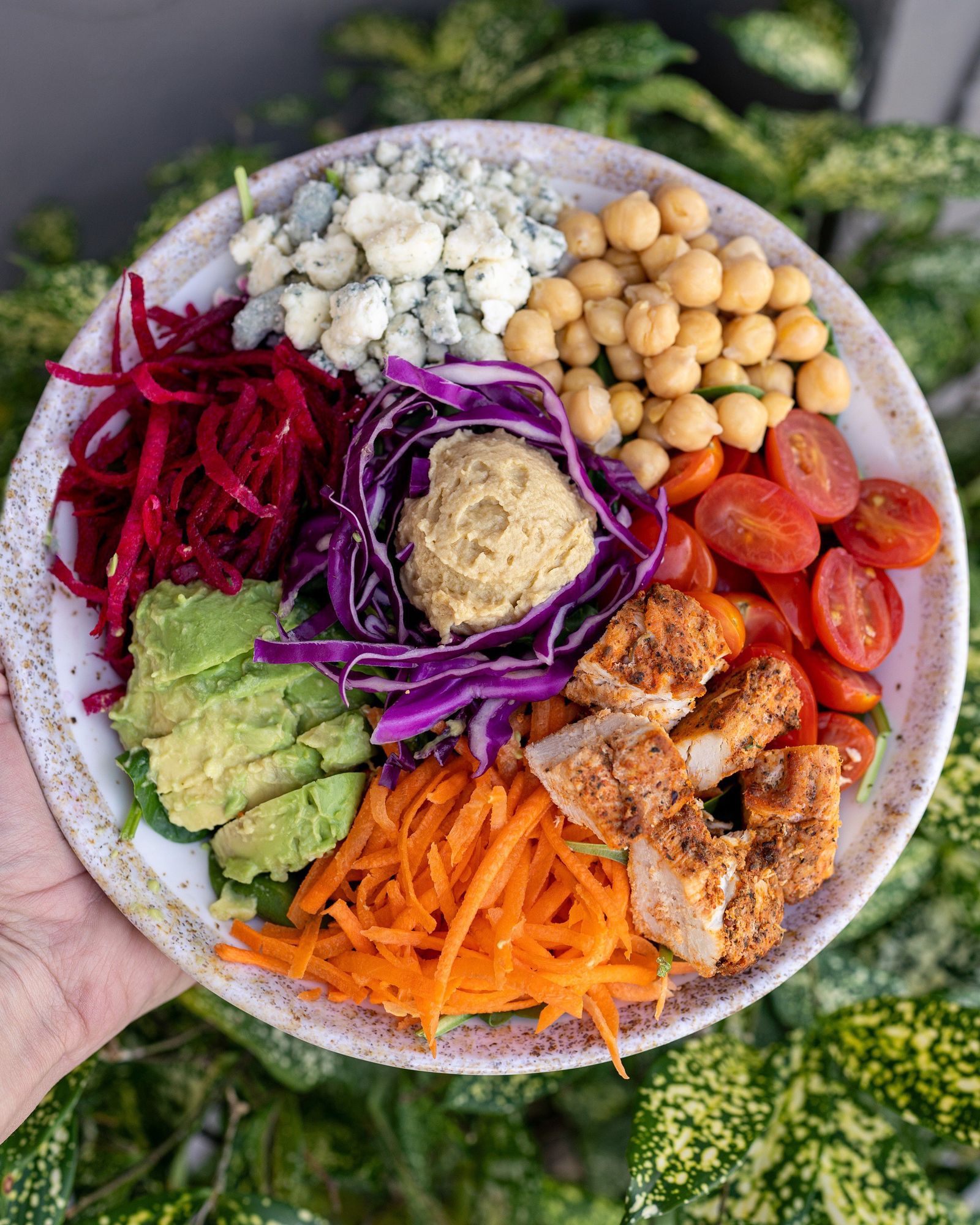
Three simple dinners can leave you with three awkward sets of half-used packages. Compare their ingredients before you shop. In the example below, quinoa appears in all three meals, while the protein ingredients change.
A combined list for three meals
Take a lemon chickpea quinoa bowl, a cottage cheese quinoa salad and chicken avocado quinoa. They use different main protein ingredients while sharing quinoa, lemon and some produce. At one base portion of each, the combined list is:
- 200 g cottage cheese (2% fat)
- 490 g quinoa (ready-cooked)
- 8 g olive oil
- 15 g pumpkin seeds
- 60 g avocado
- 40 g baby spinach
- 220 g cucumber
- 55 g lemon (for juice)
- 340 g tomato
- 120 g chicken breast (ready-cooked)
- 130 g chickpeas (canned, drained)
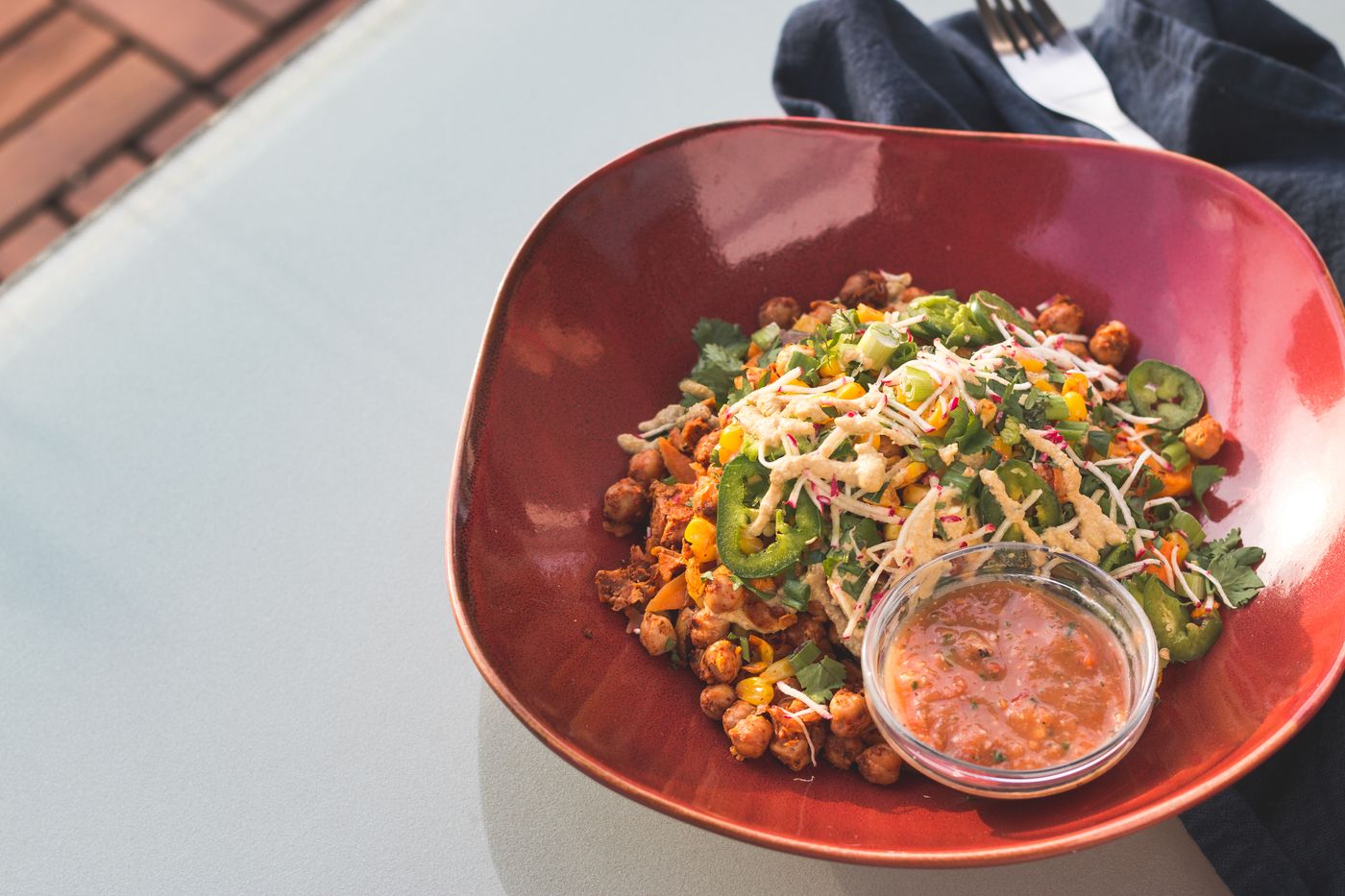
This is enough for the three named meals only. It is not a complete weekly shop, and it does not include breakfast, drinks or household supplies.
Separate recipe requirements from what to buy
If your meals require 340 g of tomato and you already have usable tomato, subtract that amount before shopping. Then compare the remainder with the packages available. A recipe-weight list cannot know the exact sizes sold by your store or whether a partly used package is still suitable.
Keep the preparation state in the name. Ready-cooked quinoa and dry quinoa are not the same grocery instruction. Drained canned chickpeas mean edible chickpea weight; the label weight on the unopened can can include liquid.
What is still missing?
Write the amount needed beside the amount you already have. If you need 200 g of a prepared ingredient and have 75 g in the same usable state, buy enough to cover the remaining 125 g. That is a separate subtraction example, not an addition to the list above.
Keep the final pack-size decision separate. You may have to buy a larger pack than the exact remainder; give the extra a planned use or choose a smaller pack where available. Dayfork combines recipe weights, but it does not automatically inspect your cupboards or reserve supermarket pack sizes.
Plan a second use for fresh ingredients
Before adding a new fresh ingredient, ask where else it will appear. If spinach is only used once, another chosen dish might use it too. This is a planning technique, not a promise of a particular reduction in food waste or spending.
It can also be sensible to buy a smaller package even when its unit price is higher. The relevant question for your week is what you can use, not which large container looks cheapest in isolation. Compare actual store prices yourself; this guide does not estimate a dollar budget.
Update after swaps
If you change a chicken bowl to a lentil pita, rebuild the combined list. Leaving both recipes' ingredients in the list creates an accidental extra meal. Check what you already bought before changing several dishes late in the week.
Dayfork adds up the selected recipes and portions. You check what is already at home, whether it is still usable and which package to buy.
Recipe amounts and shopping amounts
Should I cook a whole package because I bought it?
No. Purchase quantity and recipe quantity are different. Follow the recipe amount and plan how to store or use the remaining food.
Does Dayfork automatically subtract my pantry?
No pantry inventory is promised here. Review what you already own and subtract it from the shopping list yourself.
Related reading: A Two-Shop Week for One: Plan Once, Review Midweek · Five-Ingredient Meals for One: Count Everything You Use
Build a personal week with recipes, portions and a shopping list. Your first week stays free, with no card required. Subscription options cover further planning.
Recipe times are planning estimates, not kitchen-tested guarantees. They assume the prepared ingredients named in each recipe. Nutrition is calculated from our local USDA SR Legacy ingredient references; your package labels and actual portions can differ.
Your first week is on us.
Recipes for one, calculated portions and one shopping list. No card needed. Quick recipes use ready-cooked ingredients; prep times are estimates.
Build my free week ↗Sources and method
Recipe calculations use our ingredient catalogue. Reference averages and estimates differ from package labels. The sources below support the practical guidance; they do not endorse Dayfork.