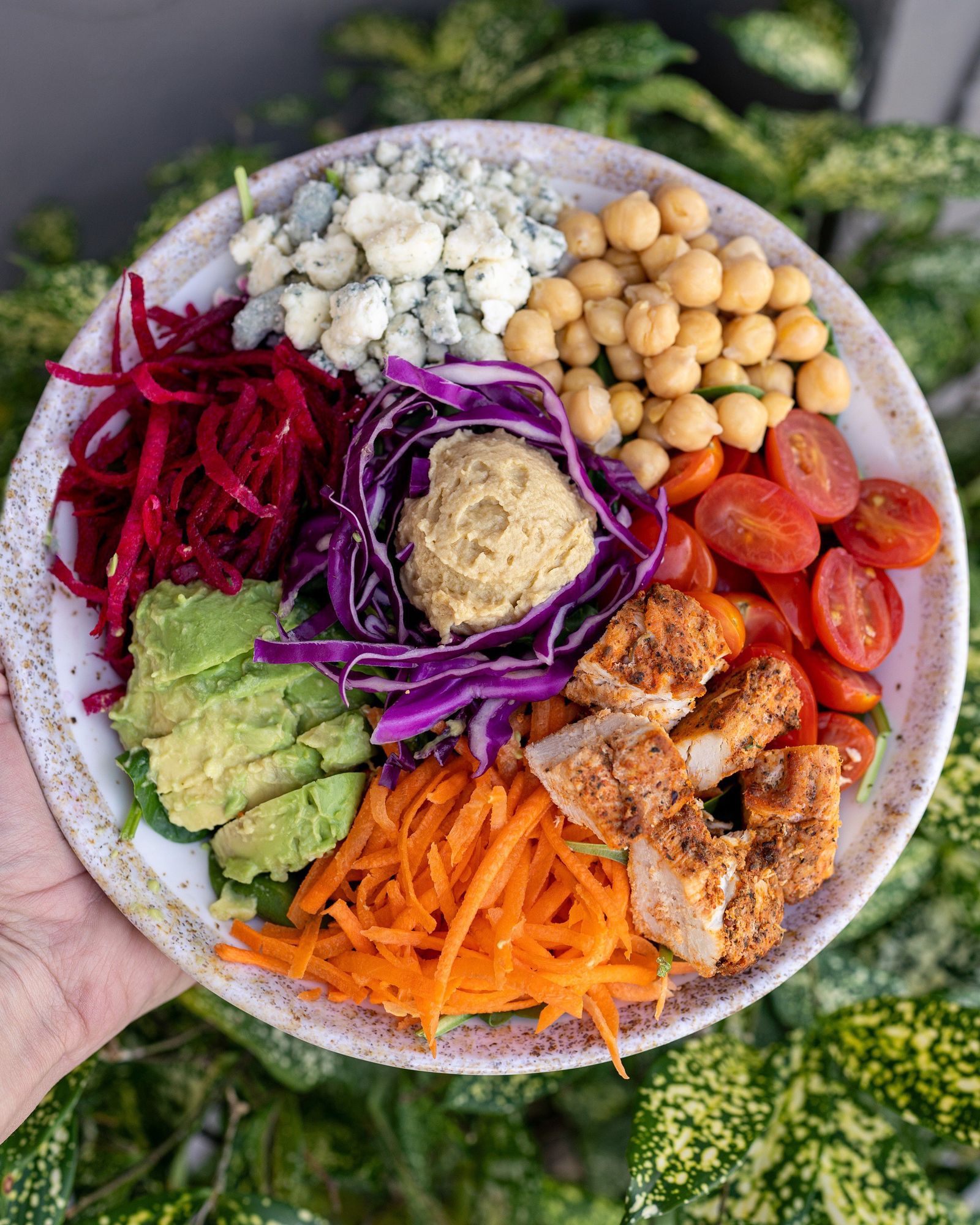
For an evening when you do not want to cook, keep a dinner you can assemble from familiar ingredients. The lentil bowl below needs no stove or microwave, provided the prepared ingredients are suitable for eating cold.
How much preparation is manageable tonight?
No cooking can still involve draining a can, cutting a vegetable or washing a bowl. If even chopping feels like too much tonight, choose a recipe with prewashed leaves and ready ingredients rather than a salad with several vegetables to dice.
Five-minute lentil avocado bowl
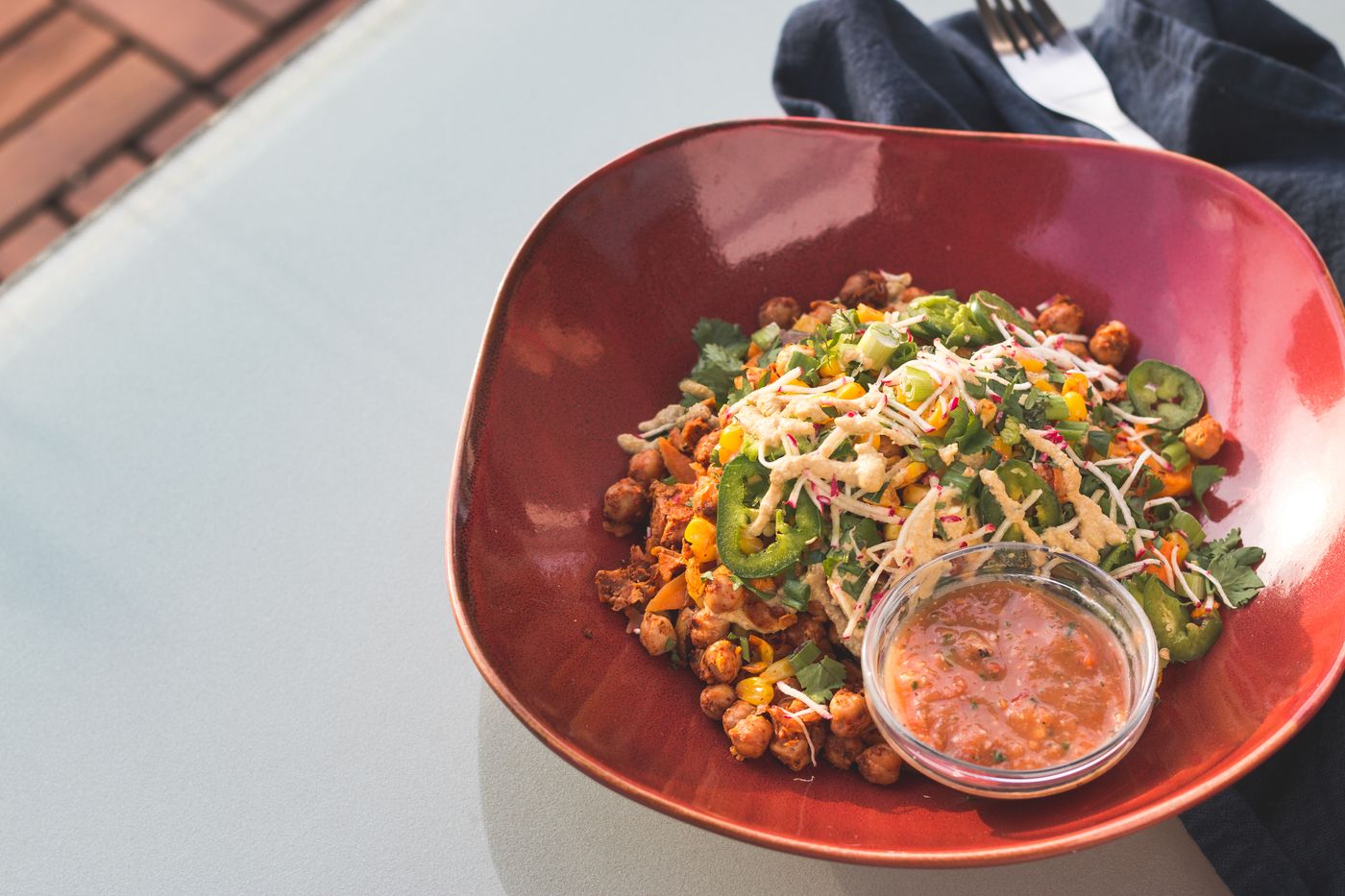
For one person, base portion. Estimated full preparation: 5 minutes. 518 kcal; protein 22.9 g; carbohydrate 83.1 g; fat 12.6 g.
- 180 g lentils, ready-cooked
- 150 g brown rice, ready-cooked
- 70 g avocado flesh
- 40 g baby spinach
- 15 g lemon juice
- Scoop avocado flesh into a bowl and roughly break it up with a fork.
- Add ready-cooked lentils and rice suitable for eating cold, prewashed spinach and lemon juice. Toss together.
Serve the bowl cold only if the prepared grain and lentils are suitable for it. The quantities above make the listed base portion; adjust your plan if you need a different amount.
Keep a second format available
If you prefer bread to a bowl, a hummus chickpea pita offers another assembly format. It uses 80 g whole-wheat pita, 65 g hummus, 90 g drained canned chickpeas, 50 g romaine, 100 g tomato and 80 g cucumber. Its preparation estimate is seven minutes, including chopping the vegetables.
The pita involves more chopping than the lentil bowl. Choose it when that work feels manageable; keep the bowl for evenings when it does not.
Make the fallback part of the plan
Put one low-effort dinner on a known busy day. If that day turns out to be easier than expected, you can still eat it. A fallback does not need to be reserved for an emergency to be worthwhile.
When changing an existing menu, review the list of ingredients already purchased. Replacing a meal after shopping can leave its food unused. You can move a suitable dish to another day or choose an alternative that uses some of the same ingredients, while following the relevant storage instructions.
After dinner, keep what worked
Tonight's goal may be to get one usable dinner onto a plate. It does not need to become a full cooking project or a promise to avoid every convenience food. A prepared grain pack and canned legumes can be a practical starting point when that is what fits your energy and schedule.
After you eat, note whether you liked the texture, portion and cleanup. A fallback that you genuinely enjoy earns a place in the next week. Replace a meal you keep avoiding, even if its preparation time looks good on paper.
Keeping dinner manageable
Does an easy dinner have to be cooked from scratch?
No. Prepared components can be useful when named honestly in the recipe. Choose products that fit your needs and check their labels.
What if I dislike the planned dinner?
Choose a complete replacement and review its portions and groceries. Quietly removing a main ingredient can change both the meal and its totals.
Related reading: Two Five-Minute Plant-Based Meals With Clear Starting Ingredients · Five-Ingredient Meals for One: Count Everything You Use
Build a personal week with recipes, portions and a shopping list. Your first week stays free, with no card required. Subscription options cover further planning.
Recipe times are planning estimates, not kitchen-tested guarantees. They assume the prepared ingredients named in each recipe. Nutrition is calculated from our local USDA SR Legacy ingredient references; your package labels and actual portions can differ.
Your first week is on us.
Recipes for one, calculated portions and one shopping list. No card needed. Quick recipes use ready-cooked ingredients; prep times are estimates.
Build my free week ↗Sources and method
Recipe calculations use our ingredient catalogue. Reference averages and estimates differ from package labels. The sources below support the practical guidance; they do not endorse Dayfork.