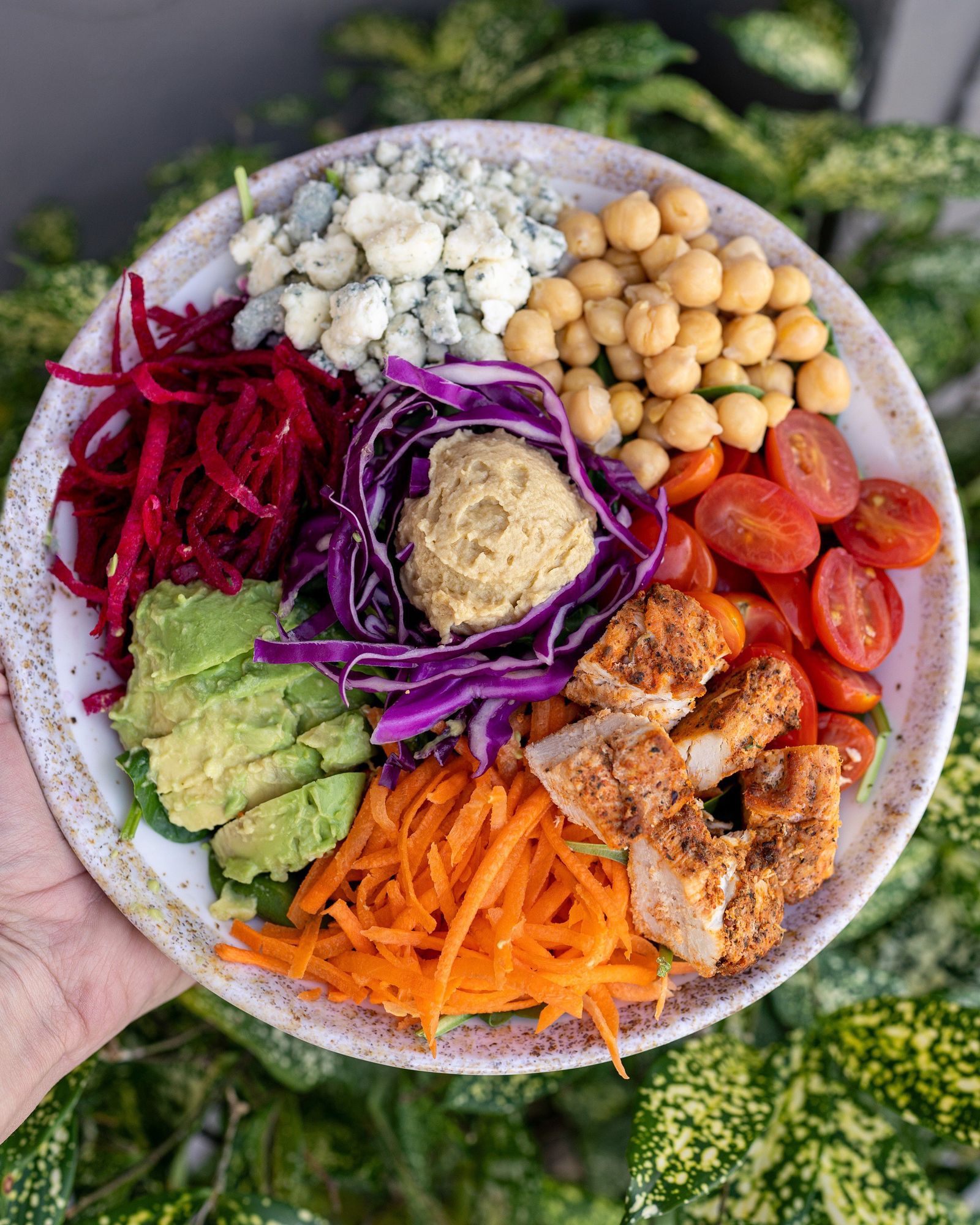
For a work lunch without a microwave, choose food you will enjoy cold. Then work out how you will keep it cold until lunch. The recipes below cover bowls, a pita and a bread plate, with different portions and preparation needs.
Five lunches that can work cold
Use cooked grains explicitly suitable for cold consumption, ready-to-eat tofu, or chilled ready-cooked chicken intended to be eaten cold. A recipe marked no-cook does not mean every raw version of its ingredients is suitable. Check the actual package.
| Meal | Estimated minutes | kcal | Protein, g | Carbohydrate, g | Fat, g |
|---|---|---|---|---|---|
| Lemon chickpea quinoa bowl | 8 | 480 | 17.8 | 72.7 | 14.6 |
| Peanut tofu rice bowl | 8 | 599 | 37.9 | 62.5 | 26.1 |
| Chicken hummus pita | 7 | 561 | 50.6 | 58.2 | 15.7 |
| Cottage cheese quinoa salad | 7 | 493 | 34.8 | 57.4 | 15.6 |
| Avocado lentil open sandwiches | 7 | 546 | 28 | 81.5 | 14.3 |
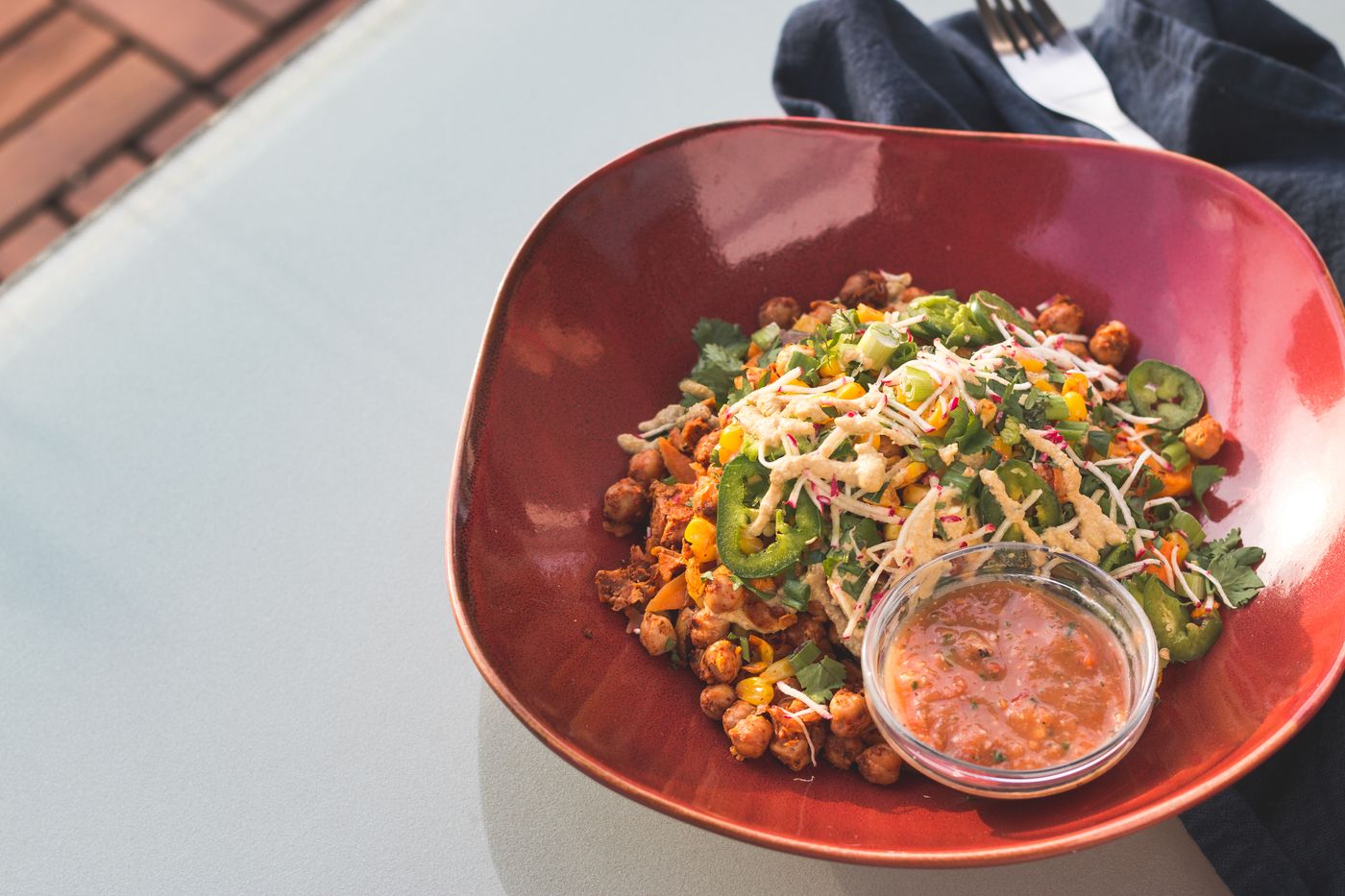
Each row is a base portion for one. Compare the totals as well as the ingredients; the bowls are not nutritionally interchangeable.
Pick one for tomorrow
For a sandwich, try the chicken hummus pita with chilled ready-cooked chicken suitable for cold use. For a plant-based bowl, use the lemon chickpea quinoa recipe and check the grain label. The cottage cheese salad is another option if you eat dairy and can keep it chilled.
Choose based on the ingredients and storage you actually have. No microwave and no refrigerator are different constraints; these perishable lunches are not a shelf-stable recommendation. If you cannot keep a lunch appropriately cold, choose a different option whose packaging supports your situation.
Pack for texture as well as convenience
A pita is easier to carry than an open sandwich, but a very wet filling can soften bread. Keep components separate when that suits your container and assemble at lunch. For a bowl, use a container large enough to mix the dressing through without spilling it over your desk.
Lemon chickpea quinoa bowl
For one person, base portion. Estimated full preparation: 8 minutes. 480 kcal; protein 17.8 g; carbohydrate 72.7 g; fat 14.6 g.
- 160 g quinoa, ready-cooked
- 130 g canned chickpeas, drained and rinsed
- 100 g cucumber
- 100 g tomatoes
- 8 g olive oil
- 20 g lemon juice
- Drain and rinse the canned chickpeas. Chop cucumber and tomato.
- Toss with ready-cooked quinoa, olive oil and lemon juice.
No microwave does not mean no refrigeration
Cold lunch still needs appropriate food storage and transport. Follow package instructions and the official FoodSafety.gov cold storage guidance. This list is not a claim that assembled lunches can sit unrefrigerated or that every ingredient keeps for a whole workweek.
Make the lunch for the day or plan ingredient storage individually. A five-day menu is a schedule of meals; it is not an instruction to assemble all five boxes on Sunday and assume they share the same storage life.
Give yourself a substitution rule
If you cannot find the planned protein, choose a different complete lunch and review its portions. Replacing chicken with the same weight of chickpeas changes the meal totals and may change how much grain or dressing you want. The simplest fallback is another measured recipe, not a promise that one ingredient swap leaves everything unchanged.
Pack the utensil too. A lunch you can eat comfortably at your desk is easier to keep using than one that needs equipment you do not have.
Packing and storage
Can I use a grain pouch in a cold lunch?
Follow the package directions. Use a product suitable for eating cold; some pouches need heating before eating.
What is the difference between no microwave and no fridge?
No microwave concerns reheating. No fridge concerns storage. These lunches still need suitable chilled storage and transport when their ingredients require it.
Related reading: Cold Vegetarian Lunches: Bowls, Pitas and a Bread Plate · How to Swap a Meal Without Losing Track of Portions and Groceries
Build a personal week with recipes, portions and a shopping list. Your first week stays free, with no card required. Subscription options cover further planning.
Recipe times are planning estimates, not kitchen-tested guarantees. They assume the prepared ingredients named in each recipe. Nutrition is calculated from our local USDA SR Legacy ingredient references; your package labels and actual portions can differ.
Your first week is on us.
Recipes for one, calculated portions and one shopping list. No card needed. Quick recipes use ready-cooked ingredients; prep times are estimates.
Build my free week ↗Sources and method
Recipe calculations use our ingredient catalogue. Reference averages and estimates differ from package labels. The sources below support the practical guidance; they do not endorse Dayfork.